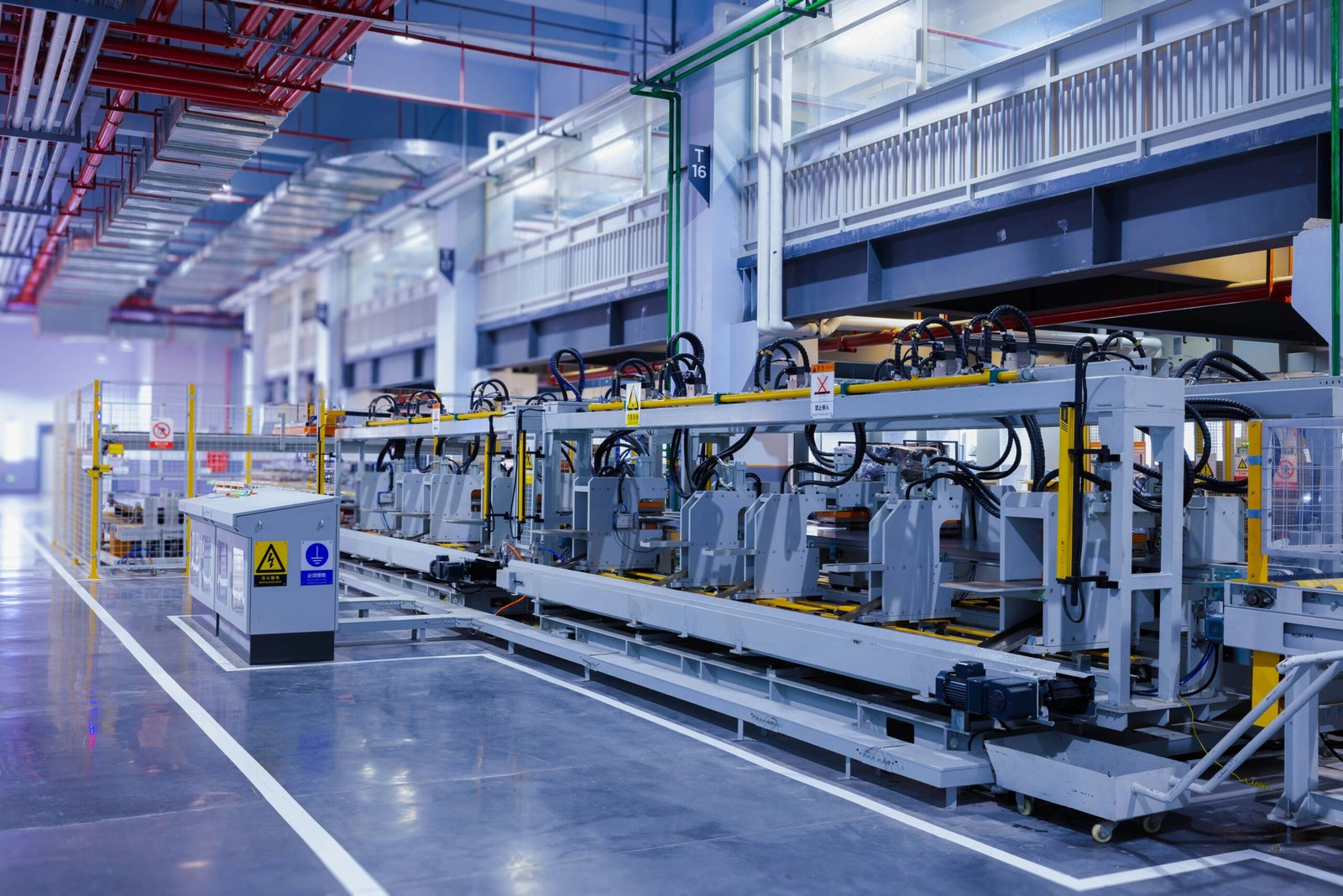
The Evolution of Testing Practices
The landscape of testing practices has undergone significant evolution over the decades, adapting in response to emerging technologies, regulatory requirements, and market expectations. Initially, testing was performed in isolation, primarily focusing on compliance with established standards. Traditional methods often relied on manual processes that were often time-intensive and prone to human error. However, as industries expanded and technological innovations accelerated, these rudimentary approaches proved insufficient to meet the growing demands for quality and efficiency.
One of the pivotal moments in the evolution of testing practices occurred during the late 20th century with the rise of software development. The introduction of automated testing tools marked a significant shift, allowing for faster execution of test cases and the ability to conduct more comprehensive assessments without a significant increase in resources. This period also saw the emergence of the Integrated Development Environment (IDE), which facilitated seamless collaboration between developers and testers and led to early iterations of the agile testing methodology.
With the advent of agile development principles in the early 2000s, testing practices began to pivot away from waterfall methodologies. Agile approaches encouraged continuous integration and testing, fostering a culture of collaboration and accountability. This shift resulted in the need for real-time feedback and iterations, emphasizing the importance of adaptability in testing processes. Today, modern testing methodologies integrate manual and automated practices within a DevOps framework, ensuring that testing is an integral part of the development lifecycle.
Learning from past experiences has proven crucial for organizations in navigating the complexities of contemporary testing requirements. By acknowledging historical challenges and milestones, industries can develop strategies that not only meet current standards but also anticipate future advancements. The ongoing journey towards embracing agile and automated solutions signifies a commitment to excellence, positioning organizations to thrive in an increasingly competitive landscape.
Future-Driven Testing Strategies
As organizations strive to keep pace with rapid technological advancements, the testing landscape is undergoing significant transformation. Emerging trends such as automation, artificial intelligence (AI), and machine learning (ML) are playing pivotal roles in reshaping how testing is approached. These innovations not only enhance efficiency but also elevate the accuracy of testing processes, enabling teams to deliver high-quality products consistently.
Automation serves as a cornerstone of contemporary testing strategies. By automating repetitive tasks, testing teams can allocate their time and resources more effectively, focusing on critical areas that require human intervention. The deployment of automated testing frameworks enables organizations to execute tests at scale, reduce time-to-market, and improve overall output by minimizing human error.
Simultaneously, the integration of AI and ML into testing processes provides organizations with advanced predictive capabilities. These technologies facilitate data-driven decision-making by analyzing vast datasets to identify potential issues before they impact the end-user experience. Furthermore, AI-driven testing tools adapt and learn from previous test outcomes, ensuring continuous improvements and enabling teams to predict and mitigate risks proactively.
To successfully adopt these innovative strategies, organizations must foster a culture of continuous improvement and adaptability. This requires promoting collaboration across cross-functional teams, where knowledge sharing is encouraged, and experimentation is embraced. Establishing feedback loops through regular reviews and retrospectives can help teams adjust their practices in response to the evolving testing landscape.
Several case studies exemplify the successful implementation of future-driven testing strategies. One notable example involves a leading software development firm that integrated AI-driven testing solutions, resulting in a remarkable reduction in bugs by 40% and significant savings in testing time. Such success stories provide valuable insights and inspire organizations to navigate the challenges of the ever-changing testing environment effectively.
发表回复